
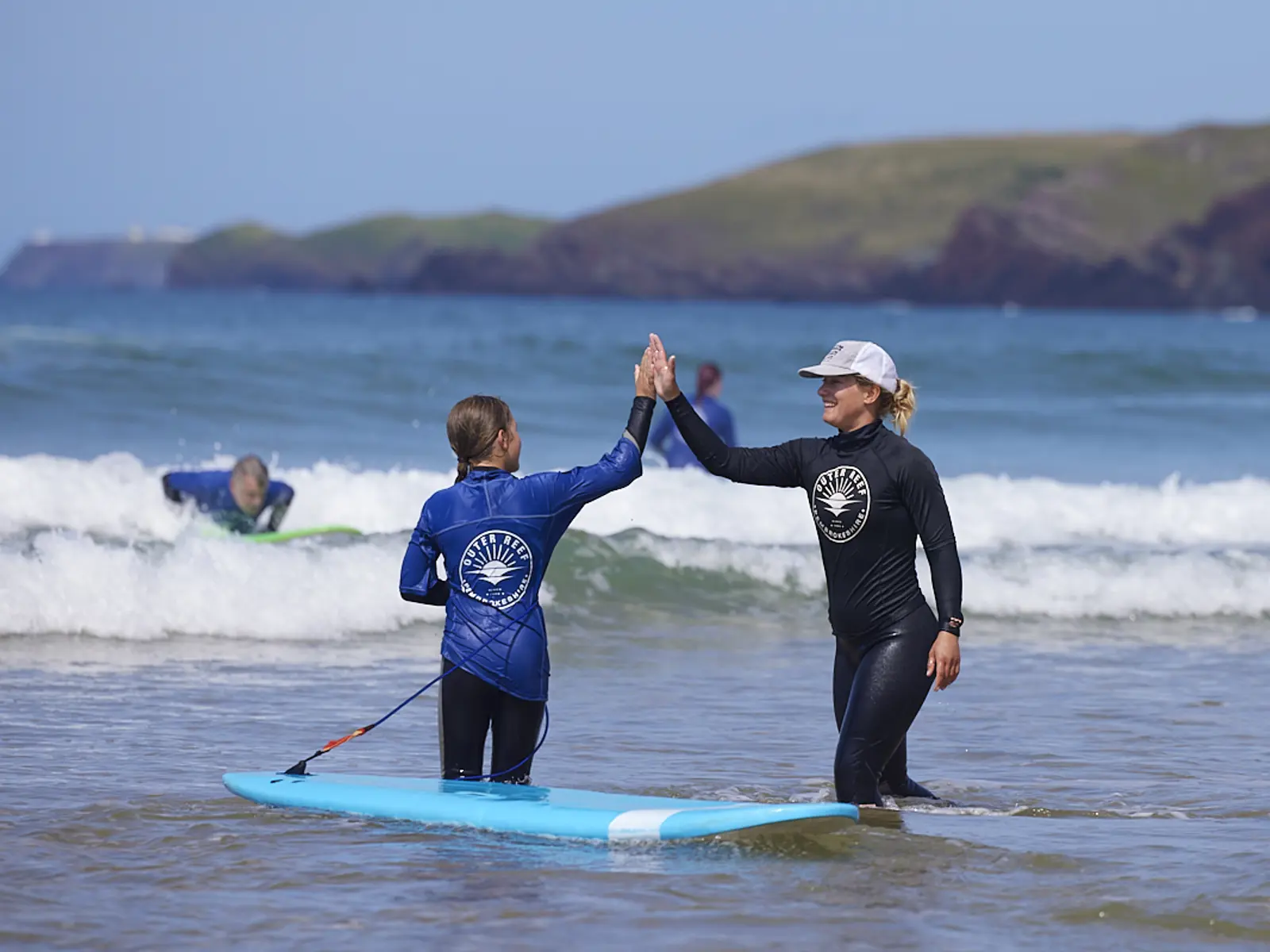
Drop-In Rules & Surfing Etiquette
How To Respect The Lineup, Stay Safe & Share Waves Properly
Good surfing is not just about standing up. It is also about understanding who has priority, where to paddle, how to avoid collisions and how to keep the atmosphere in the water friendly.
This guide explains the key rules every beginner and improving surfer should know before paddling into a busy lineup.
What Does “Dropping In” Mean?
A drop-in happens when one surfer takes off on a wave that another surfer is already riding or has clear priority for. It is one of the main causes of frustration and accidents in the surf, especially when the water is busy.
The simplest way to avoid it is to look both ways before paddling for a wave, understand who is closest to the breaking part of the wave, and only go when you are sure the wave is yours.
Quick version: if someone is already up and riding, do not take off in front of them.
Wait for the next wave, paddle back out safely and keep the lineup flowing. Missing one wave is always better than causing a collision.
Who Has Right Of Way On A Wave?
Priority usually belongs to the surfer closest to the peak, which is the first part of the wave to break. That surfer has the best position to ride the open face of the wave.
Point Breaks
At a point break, waves usually peel in one main direction. The surfer deeper inside, closest to where the wave starts breaking, normally has priority.
Beach Breaks
Beach breaks can shift around. Look carefully before paddling. If another surfer is already up and riding the open face, let them go.
Reef Breaks
Reef breaks often have a defined take-off zone. Respect the order, observe the locals and do not paddle straight to the deepest spot without understanding the lineup.
The Surf Etiquette Rules Every Surfer Should Know
These simple habits help keep everyone safer and make the session more enjoyable for beginners, locals and experienced surfers.
Look Before You Go
Before committing to a wave, look left and right. Check whether another surfer is deeper, already paddling or already riding.
Do Not Snake
Snaking is paddling around someone to steal priority. It creates tension quickly. Wait your turn and the lineup will work better.
Paddle Wide
When paddling back out, avoid going straight through the breaking wave or the path of someone riding. Go around the impact zone where possible.
Hold Your Board
Never throw your board away unless there is no safe option. A loose board can seriously injure another surfer.
Communicate Clearly
If a wave can go left or right, call your direction. A simple “left” or “right” can prevent confusion.
Take Turns
Do not paddle for every wave. Share the set waves, especially when the surf is small or the lineup is busy.
Respect Local Surfers
Every beach has its own rhythm. Watch how the lineup works before jumping straight into the peak.
Leave No Trace
Take your rubbish home, protect dunes and respect the beach. Looking after the coastline is part of surf culture.
How To Paddle Out Without Getting In The Way
Most beginner mistakes happen while paddling out rather than riding the wave. The safest route is usually around the side of the breaking waves, not directly through the middle of the lineup.
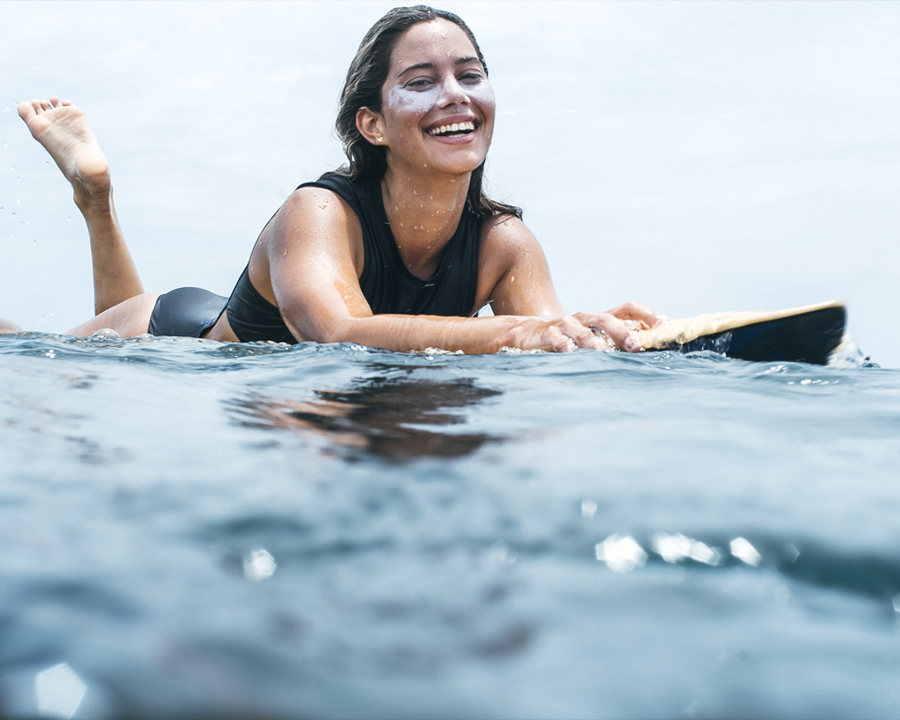
Use The Channel Or Shoulder
If there is a quieter area beside the breaking waves, paddle out there. It keeps you away from surfers riding down the line.
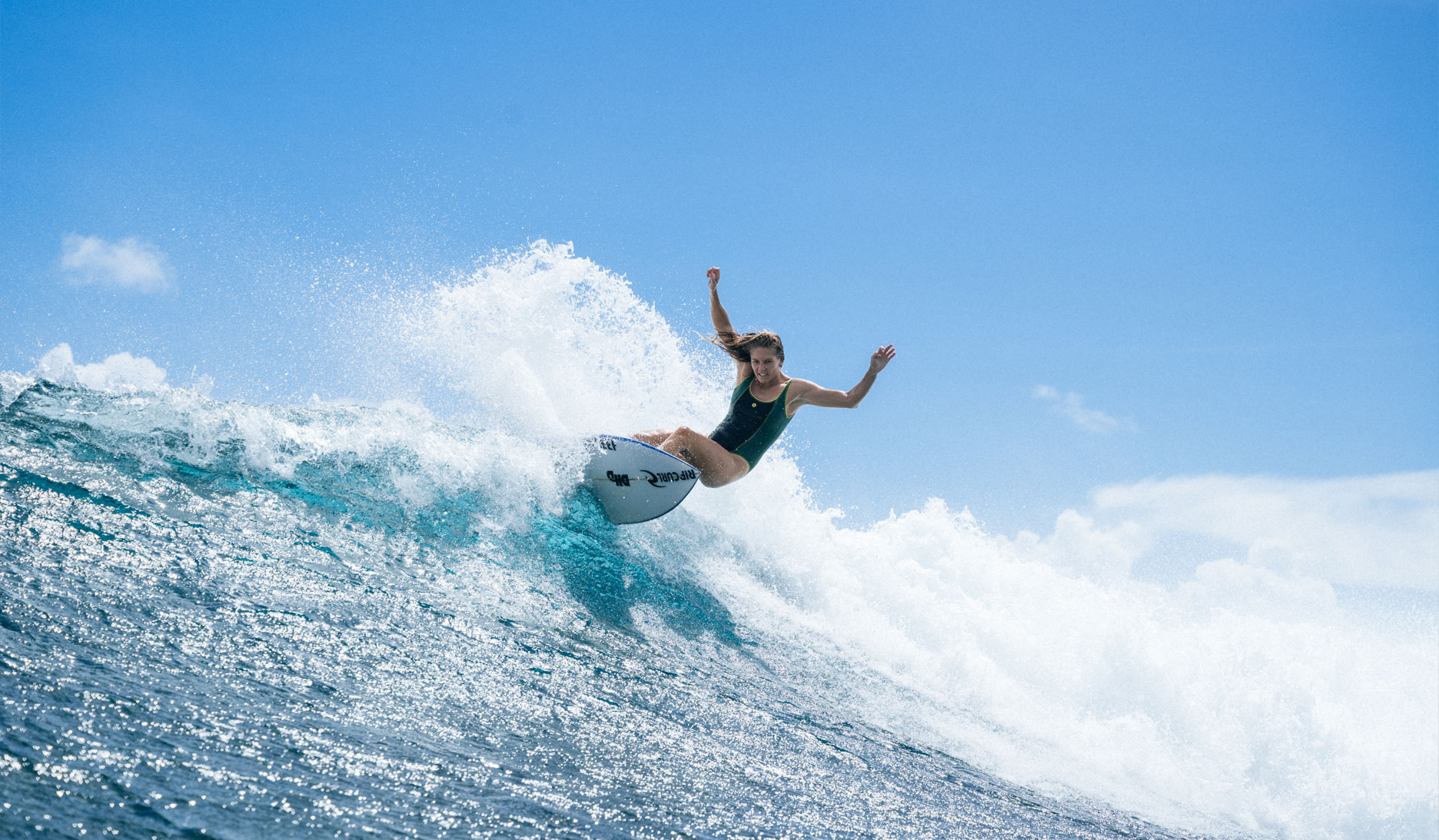
Avoid The Rider’s Line
If a surfer is heading towards you, paddle towards the white water rather than across the open face. Let the rider have the clean section of the wave.
What To Do If You Accidentally Drop In
Everyone makes mistakes when learning. What matters is how you respond. A quick apology and better awareness next time will usually keep the mood positive.
Kick Out Early
If you realise someone else has the wave, exit safely as soon as possible. Do not keep riding across their line.
Say Sorry
A simple, genuine apology goes a long way. Most surfers understand that beginners are learning.
Reset And Learn
Watch the lineup again, notice where the waves are breaking and take a little more time before paddling for the next one.
Surf Lessons That Teach More Than Just Standing Up
At Outer Reef, our surf lessons help beginners understand wave safety, board control, paddling technique, catching waves and the basic etiquette needed to surf with confidence.
Learning with an instructor is one of the best ways to build good habits early, especially if you are new to beach breaks, changing tides and shared lineups.

Surf Etiquette FAQs
Helpful answers for beginners learning how the lineup works.
Who has priority on a wave?
Usually the surfer closest to the peak, where the wave breaks first, has priority. If someone is already riding, do not take off in front of them.
What is a drop-in?
A drop-in is when a surfer catches a wave in front of another surfer who already has priority. It can cause collisions and is considered poor etiquette.
What should I do if I accidentally drop in?
Kick out as soon as it is safe, apologise and learn from it. Most surfers are understanding if the mistake is genuine.
Where should I paddle back out?
Paddle wide where possible, away from the main take-off zone and away from the path of surfers riding waves.
Can beginners surf in a busy lineup?
Beginners should avoid very crowded or advanced lineups. Choose a suitable beach, take a lesson and build confidence in safer conditions.
Why is surf etiquette important?
Surf etiquette keeps people safer, reduces conflict and helps everyone share the waves more fairly.
Useful Surfing Links
Continue building your surf knowledge with lessons, coaching, equipment hire and helpful Outer Reef surf pages.

Learn The Skills, Safety & Etiquette Of Surfing
Join Outer Reef for beginner-friendly surf lessons in Pembrokeshire and learn how to catch waves while respecting the lineup.
Follow us and stay in the loop!
Real photos from the water — surf lessons, coasteering, kayaking and the odd Pembrokeshire sunset.
Follow @outerreef →Tripadvisor Travellers’ Choice Award winner
Recognised by Tripadvisor for consistently excellent reviews across surf lessons, coasteering, paddle boarding and kayaking adventures.